What Causes Drywall Cracks and When to Worry
Drywall cracks show up in nearly every home at some point, and most homeowners in the High Desert notice them during spring temperature swings. The dry Apple Valley air, combined with seasonal shifts, pulls moisture out of wood framing and gypsum panels at different rates. Some cracks are harmless cosmetic issues that a bit of joint compound can fix. Others point to foundation movement, water intrusion, or framing problems that need professional attention right away. Knowing the difference protects your home value and your family’s safety. This guide walks through the common causes, the warning signs, and the repair options that actually last. Crown King Construction has repaired thousands of cracks across Victorville, Hesperia, and surrounding areas, so we know what to look for.
Common Causes of Drywall Cracks in High Desert Homes
Drywall cracks form for many reasons, and the cause almost always determines the right repair method. Homes in Apple Valley and the surrounding desert communities face unique stressors; extreme temperature ranges, low humidity, and shifting soil all play a role. A crack near a window corner tells a different story than one running across a ceiling. Spotting the pattern early saves money and prevents the problem from spreading. Most cracks fall into one of three categories: settlement, environmental, or structural.
Settlement Cracks in Drywall and Why They Appear
Every new home settles during its first few years as framing lumber dries out and the foundation adjusts to the load above it. Settlement cracks typically appear as thin, vertical lines above doorways, windows, or at the corners of rooms. These cracks rarely exceed the width of a credit card and usually stop growing once the home reaches equilibrium. In High Desert homes, settlement can continue for longer periods because the sandy soil shifts with seasonal moisture changes. Homeowners often notice these cracks after the first hot summer or cold winter in a newly built property.
Older homes can also develop settlement cracks when nearby construction, heavy rains, or drought conditions alter the soil beneath the foundation. The ground in Apple Valley expands slightly when wet and contracts during dry spells, and that movement transfers up through the framing. Drywall, being rigid, cannot flex with the movement, so it cracks at its weakest points. Joint seams between panels are especially prone to this type of cracking. The tape covering those seams can lift or bubble as the movement continues.
Most settlement cracks are purely cosmetic and can be patched with joint compound, mesh tape, and fresh paint. The key is making sure the settling has stopped before the repair; otherwise, the crack will return within months. A contractor can assess the crack width and pattern to determine if settling is active or complete. If the same crack keeps reopening after repairs, the issue goes beyond simple settlement. At that point, a foundation evaluation becomes the smart next step.
Environmental Cracks in Drywall from Desert Climate
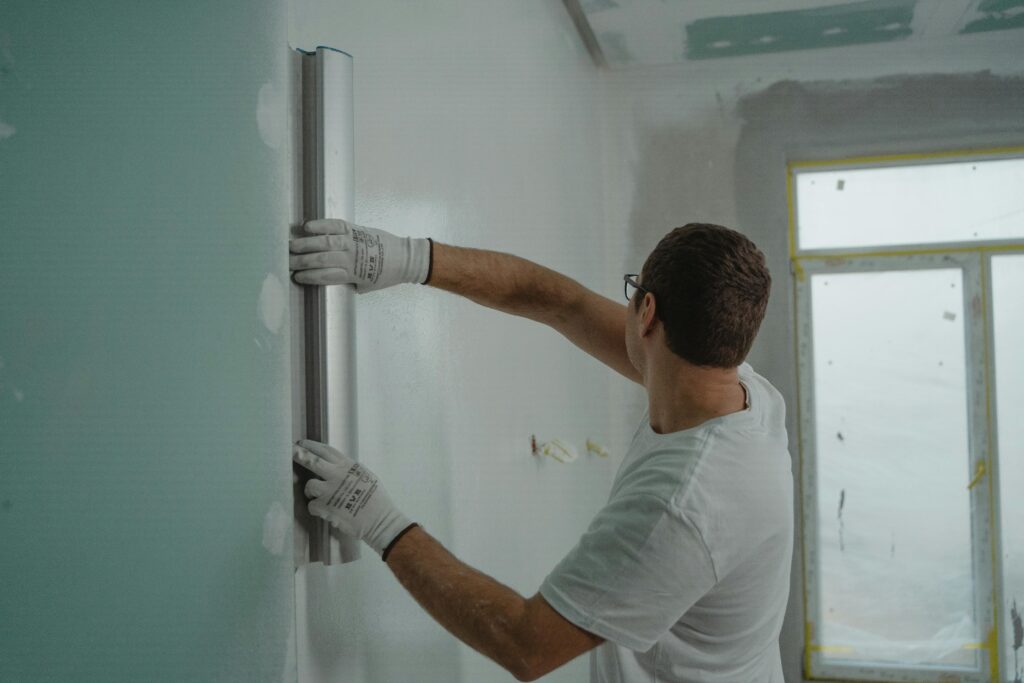
The High Desert puts drywall through serious environmental stress every year. Temperature swings of 40 degrees in a single day cause framing lumber to expand and contract constantly. Low humidity pulls moisture from gypsum panels, shrinking them slightly and opening up seam lines. Homes without consistent climate control see the most damage, especially vacation properties or rentals that sit empty during peak summer heat. These environmental cracks tend to appear along taped seams rather than through the drywall itself.
Humidity changes also affect how joint compound cures and how tape bonds to the panel surface. When compound dries too fast in arid conditions, it can develop hairline cracks before the tape even settles. Poor ventilation in bathrooms and kitchens adds another layer of stress; steam and moisture cause localized swelling, then the drywall shrinks back as it dries. Over time, this cycle weakens the seam and creates visible cracks. You’ll often see these cracks running in straight horizontal or vertical lines along panel edges.
Fixing environmental cracks requires more than just filling the gap. The underlying cause, usually humidity swings or poor insulation, needs to be addressed first. Adding attic insulation, sealing window gaps, and running the HVAC consistently all help stabilize the interior environment. Once conditions are stable, a proper three-coat mud and tape repair will hold for years. Need help with professional drywall repair that lasts? Click here for our drywall repair service.
Structural Cracks in Drywall That Signal Bigger Problems
Structural cracks are the ones that should grab your attention. These cracks run at 45-degree angles, often starting at the corners of doors or windows and extending toward the ceiling or floor. They tend to be wider than 1/8 inch and may appear on both sides of the same wall. Stair-step cracks on exterior block or stucco walls, paired with interior drywall cracks in the same area, point to foundation movement. Horizontal cracks running across a long wall section can indicate framing failure or serious settling.
Water damage creates its own category of structural concern. Brown staining around a crack, soft or spongy drywall, or a musty smell all suggest moisture is getting behind the panel. Roof leaks, plumbing failures, and poor exterior flashing are the usual culprits. The crack itself is just the visible symptom of a much larger issue hiding in the wall cavity. Ignoring it allows mold to grow and framing to rot, turning a small repair into a major renovation.
Any crack wider than a quarter inch, growing over time, or paired with doors and windows that stick deserves a professional evaluation. A qualified contractor can determine if the issue is cosmetic or structural through careful inspection. Monitoring the crack for a few weeks with pencil marks at the ends helps track whether it is still moving. If movement continues, the underlying problem needs to be fixed before any drywall repair will hold. Taking action early keeps repair costs manageable and protects the long-term integrity of your home.
How to Tell When Drywall Cracks Need Professional Repair
Not every drywall crack needs a contractor, but some absolutely do. Knowing the difference comes down to size, location, and pattern. A hairline crack above a doorway is usually nothing to worry about; a jagged crack running diagonally across a load-bearing wall is a different story. Homeowners in Apple Valley and Hesperia often wait too long to address cracks because they assume all cracks are minor. That delay can turn a $200 patch job into a $5,000 repair when framing or foundation issues are involved.
Small Drywall Cracks You Can Handle Yourself
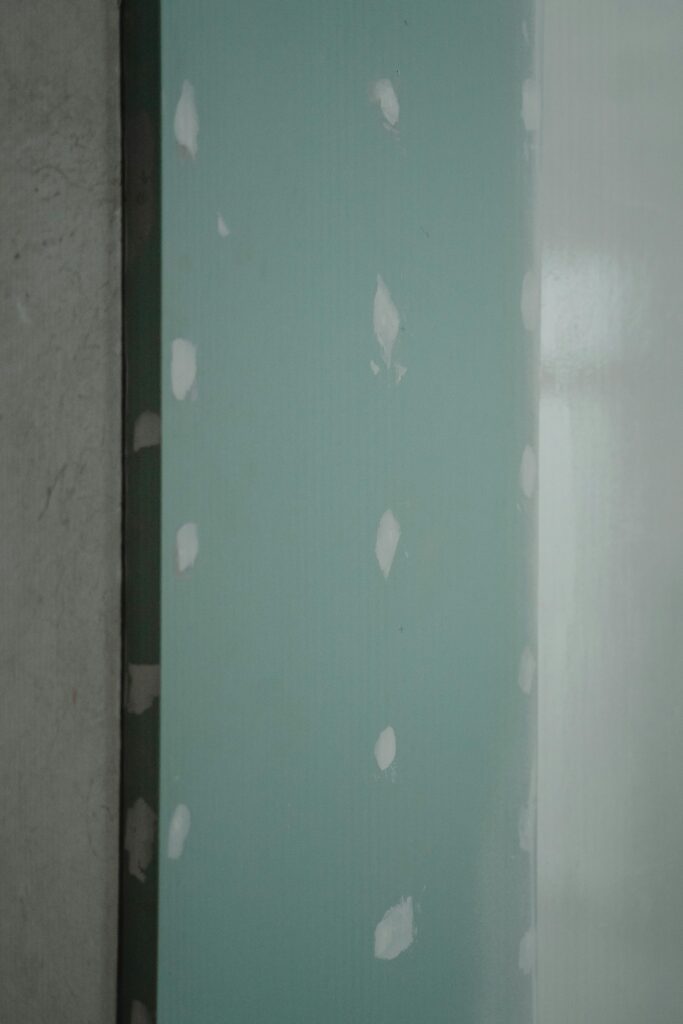
Hairline cracks under 1/16 inch wide, located above door frames or along ceiling seams, are usually safe DIY projects. These cracks result from minor settling or seasonal movement and rarely indicate deeper problems. A basic repair involves widening the crack slightly with a utility knife, filling it with joint compound, embedding mesh tape, and applying two finishing coats. Sanding between coats gives a smooth surface ready for primer and paint. Most homeowners can complete a small repair in a single weekend.
The tools needed are straightforward: a taping knife, joint compound, mesh or paper tape, sandpaper, and touch-up paint matching the existing wall color. Lightweight joint compound works best for small repairs because it dries fast and sands easily. Mesh tape is more forgiving for beginners than paper tape, though paper tape creates a stronger long-term bond when applied correctly. Feathering the edges of each compound layer prevents a visible hump after painting. Taking your time with sanding makes the difference between an invisible repair and an obvious patch.
Before starting any DIY repair, check the crack over several weeks to make sure it is not actively growing. A crack that reopens after patching points to continued movement, and that movement needs to be diagnosed before another repair attempt. Keep the repair area dust-free and well-ventilated, especially in dry desert conditions. Prime the repaired area before painting so the patch blends with the surrounding wall. If the crack returns within six months, stop DIY attempts and bring in a professional.
Large Drywall Cracks That Require a Contractor
Cracks wider than 1/8 inch, longer than a few feet, or appearing in multiple rooms at once need professional evaluation. These cracks often reflect framing stress, foundation movement, or long-term moisture issues that cannot be fixed with joint compound alone. A contractor will inspect the drywall, check nearby windows and doors for alignment issues, and examine the exterior walls and foundation. Only after identifying the root cause does repair make sense. Patching a structural crack without addressing the cause wastes time and money.
Ceiling cracks deserve special attention because they can signal truss movement, roof leaks, or even attic insulation problems. A ceiling crack that grows during rainy weather almost always involves water intrusion. A crack running the full length of a ceiling, especially paired with sagging, could indicate framing failure overhead. These issues are dangerous to ignore and should never be treated as cosmetic. A professional can safely access the attic, identify the problem, and coordinate any needed structural repairs.
Large cracks often require cutting out the damaged drywall section and installing a new piece. This ensures the repair is mechanically sound rather than just surface-level. Proper framing support, correct screw patterns, and professional taping create a finish that blends seamlessly with the surrounding wall. Crown King Construction handles everything from the cutout to the final paint coat. Looking for reliable drywall installation for larger projects? Click here for our drywall installation service.
Recurring Drywall Cracks and What They Mean
A crack that keeps coming back after repair is telling you something important. The underlying cause has not been addressed, and cosmetic fixes will never hold. Recurring cracks most often point to foundation movement, chronic moisture problems, or framing issues like undersized headers above doors and windows. Sometimes the fix is as simple as correcting drainage around the foundation; other times, it involves structural reinforcement. A proper diagnosis is the only way to know for sure.
Foundation-related cracks usually follow predictable patterns. Vertical cracks above doorways that keep reopening suggest the header is moving or the wall is settling. Horizontal cracks that reappear along the same seam indicate ongoing framing movement. Diagonal cracks that grow longer over months point to active foundation shift, which requires immediate attention. Monitoring these patterns gives a contractor the information needed to recommend the right fix.
Water-related recurring cracks almost always mean there is an active leak or moisture path that has not been stopped. Checking exterior caulking, roof flashing, and plumbing connections is the first step. Sometimes the fix involves improving attic ventilation or adding a vapor barrier. Once the moisture source is sealed, the drywall can be properly repaired and will stay intact. Skipping this step guarantees the crack will return within a year.
Why You Need a Professional Drywall Contractor for Lasting Repairs
Drywall repair looks simple on YouTube, but getting a truly seamless, long-lasting finish takes experience and the right materials. A professional contractor brings tools, techniques, and diagnostic skill that most homeowners do not have. More importantly, a professional can tell the difference between a cosmetic crack and a warning sign. That distinction protects your home from hidden damage and saves thousands in the long run. Crown King Construction serves Apple Valley, Victorville, Hesperia, and the surrounding High Desert communities with honest, quality drywall work.
Why Choose a Professional Drywall Contractor for Crack Repair
Professional contractors use commercial-grade materials that outperform what is sold at hardware stores. Setting-type joint compounds, fiberglass mesh, and proper primers all make repairs last longer and resist future cracking. The difference shows up most clearly in finish quality; a pro-grade repair disappears into the wall, while a DIY patch often stays visible under certain lighting. Matching texture is another skill that takes years to develop, especially with knockdown, orange peel, or popcorn finishes common in High Desert homes. Getting texture wrong ruins the visual flow of a wall.
Beyond materials, contractors bring diagnostic experience that prevents repeat failures. An experienced drywall specialist can look at a crack pattern and tell you within minutes if the cause is cosmetic, environmental, or structural. That knowledge determines the repair method and whether other trades need to be involved. A foundation issue, for example, should be addressed before any drywall work begins. Working with a contractor who coordinates those steps saves time and prevents wasted effort.
Safety is another reason to hire a professional for larger repairs. Cutting into drywall can expose electrical wiring, plumbing, and HVAC components. Homes built before 1980 may also contain asbestos in joint compound or lead in paint, both of which require specific handling. A licensed contractor knows how to navigate these hazards safely. That protects your health and keeps the project compliant with local regulations.
Why Choose Drywall Repair Instead of Drywall Replacement
Full drywall replacement is expensive and disruptive, and it is often unnecessary. A skilled contractor can repair even significant damage without tearing out entire walls. Cutting out just the damaged section, installing a patch, and finishing the seam costs a fraction of full replacement. The finished result looks identical to the original wall when done correctly. This approach also preserves the existing texture and paint color, which can be hard to match on a new full panel.
Repair work also goes much faster than replacement. A typical crack repair can be completed in one or two days, including paint matching. Full replacement involves removing trim, cutting out panels, managing debris, installing new drywall, taping, mudding, sanding, and repainting. That process can stretch a small problem into a week-long project. Repair keeps your home livable throughout the work.
The only time full replacement makes sense is when damage is widespread, panels are soft from water intrusion, or mold has taken hold. In those cases, patching is not enough; the underlying drywall needs to be removed to prevent ongoing issues. A contractor will tell you honestly which approach your situation calls for. Crown King Construction always recommends the most cost-effective repair that still delivers a lasting result.
Why Choose Crown King Construction for Your Drywall Repairs
Crown King Construction has built its reputation on honest assessments, clear communication, and quality workmanship across the High Desert. Our team is licensed, insured, and experienced in both residential and commercial drywall projects. We put homeowners first, which means giving you a straight answer about what your home actually needs. Free estimates let you understand the scope and cost before committing to any work. That transparency is the foundation of every project we take on.
We serve Apple Valley, Victorville, Hesperia, Phelan, Oak Hills, Adelanto, and the surrounding communities with full-service drywall repair and installation. Our crews handle everything from small crack repairs to full-home drywall projects. Texture matching, paint blending, and clean job sites are all part of our standard process. We also offer 24/7 emergency services for water damage, storm damage, and other urgent drywall needs. That reliability matters when something unexpected happens in your home.
Choosing Crown King Construction means working with a local team that understands High Desert conditions. We know how the climate affects materials, how the soil shifts, and how to build repairs that last in this environment. Call us at (760) 881-6418 or email info@crownkingconstruction.com to schedule a free estimate. Our team is ready to answer your questions and walk you through the repair options. Your home deserves skilled, honest work, and that is exactly what we deliver.